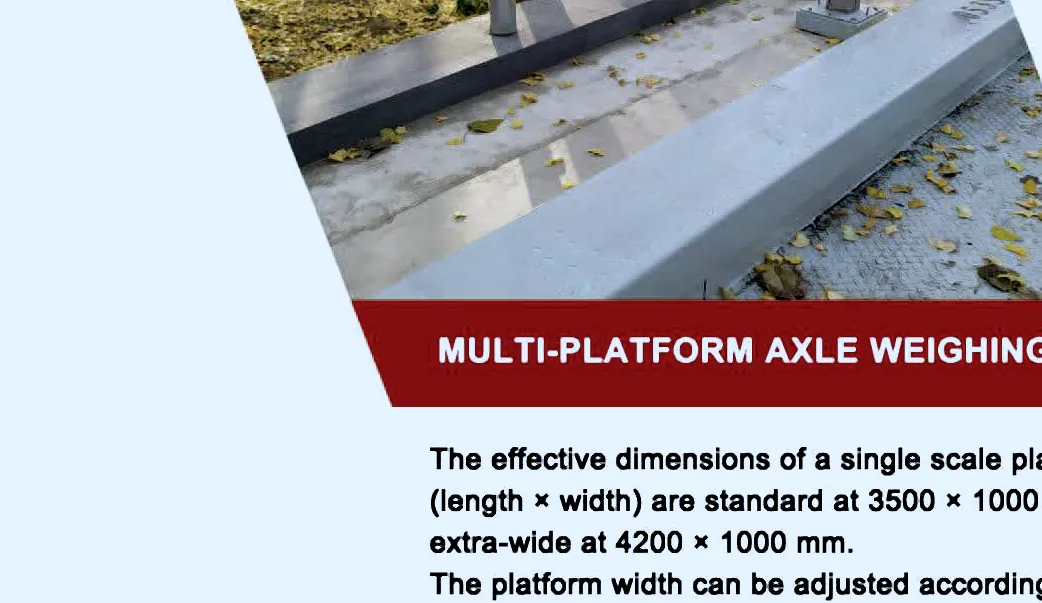
 FIG. 01 / FIELD HARDWARE
PRODUCT 01 / PORTABLE AXLE WEIGHING
Portable Truck Weighing Scale for Axle Load Weighing
When concrete is the bottleneck, a low-profile plate is the answer. Jiajia Forge portable truck weighing scales sit almost flush with the running surface, go in without a civil foundation pit, and return defensible axle-by-axle and gross figures while traffic keeps moving.
01 / WHY A PLATE INSTEAD OF A PIT
The civil works are usually the expensive part.
A conventional weighbridge asks for excavation, formwork, drainage and cure time before a single truck can be weighed. On a quarry haul road, a seasonal intake point or a temporary checkpoint, that is time and budget the project does not have.
A SHALLOWER CRITICAL PATH
Remove the foundation from the schedule.
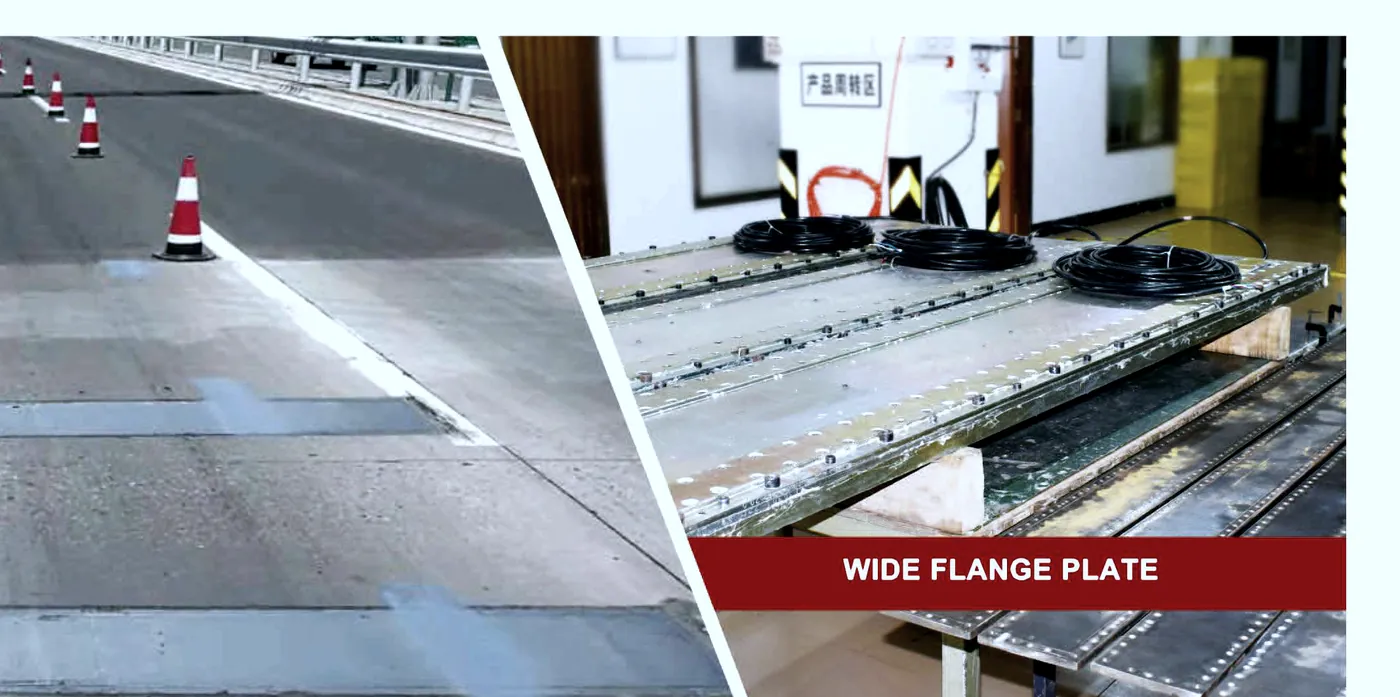
Our 58 mm sensor plate is thin enough to be direct-buried into a shallow prepared surface, which takes the foundation pit off the critical path. For a distributor that turns a construction project into an equipment delivery; for an operator it means a lane closure measured in hours rather than weeks.
Sealed to IP68 and rated for 150% overload, the plate is built for axles that arrive heavier than expected and for sites where wash-downs, dust and standing water are routine. The low profile also means vehicles are not climbing a ramp, so the approach stays close to normal driving.
02 / ACCURACY UNDER IMPERFECT DRIVING
Drivers do not approach a plate in a straight line.
That is the design problem, not an edge case.
THE MEASUREMENT PROBLEM
One contact patch is not enough.
In the real world vehicles drift, straddle the edge of the plate, brake late or accelerate over the sensor. A single-point measurement punishes that behaviour. Full-wheel load integration sums the load across the complete wheel path, which suppresses much of the error that eccentric loading and irregular driving would otherwise put into the axle figure.
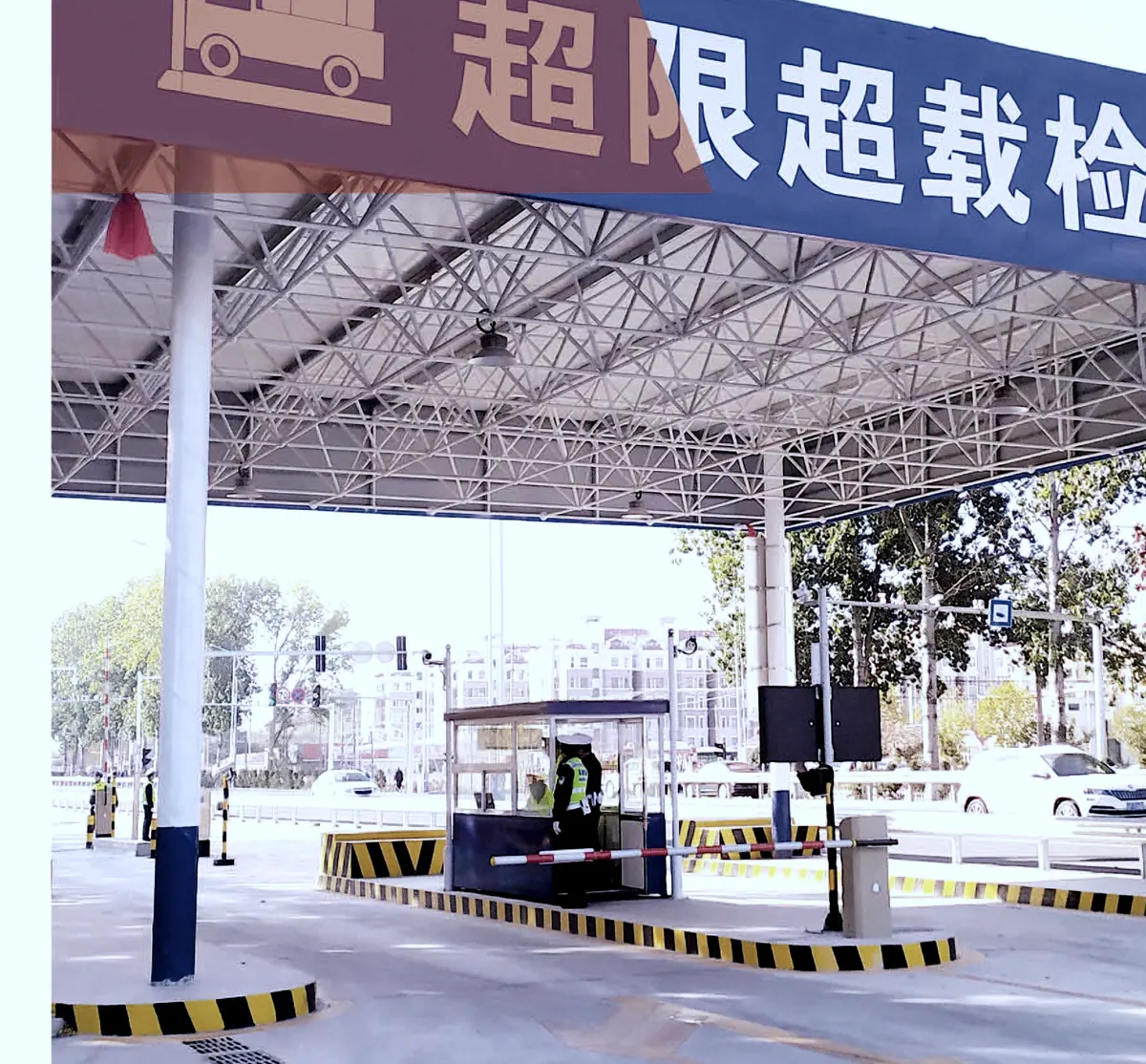
The system is classed at ±0.5% dynamic accuracy — Class 1 for total vehicle weight and Class E for single-axle loads, following the classification in the product manual — across 1–100 km/h. A checkpoint can therefore weigh at working speed instead of forcing a stop-and-go queue.
03 / FROM SITE TO HAND-OVER
Three steps, no cure time.
Survey the surface
We look at the running surface, drainage, vehicle mix and whether power and data can reach the plate. That decides surface mount or direct bury.
Place and connect
The plate is set, levelled and tied into the indicator or acquisition subsystem. No pit, no concrete cure, no long lane closure.
Calibrate and hand over
Our installation and maintenance teams calibrate against known loads and walk the operator through daily checks and the records the system produces.
04 / PORTABLE OR FIXED
The honest comparison.
If the weigh point is permanent and the cycle count is high, a fully welded U-shaped steel deck is the better long-term buy. If the site is temporary, remote or simply cannot be excavated, the 58 mm plate wins on installation. Many distributors specify both for different customers, and we are happy to say which is wrong for a given job.
NEXT STEP / 01
Tell us what you need to weigh.
Send the axle loads, deck size and site conditions. We will come back with a factory quote, the trade terms and a delivery window you can plan around.